
How Remote Life Coaching Works: Unlocking Your Potential from Anywhere
- kasualkoachingllc

- Feb 18
- 4 min read
Life coaching has evolved dramatically with the rise of digital technology. Today, remote life coaching offers a flexible, accessible way to receive guidance and support without geographical limits. This approach empowers individuals to work on their personal and professional goals from the comfort of their own space. But how exactly does remote life coaching work? Let’s explore the process, benefits, and practical tips to make the most of this transformative experience.
Understanding Remote Life Coaching: What to Expect
Remote life coaching is a professional relationship conducted primarily through digital communication tools such as video calls, phone calls, emails, or messaging apps. Unlike traditional face-to-face coaching, remote sessions provide convenience and flexibility, allowing clients to connect with coaches worldwide.
During a typical remote coaching session, the coach helps the client clarify goals, identify obstacles, and develop actionable plans. The coach acts as a guide, motivator, and accountability partner. Sessions usually last between 30 to 60 minutes and are scheduled regularly, often weekly or biweekly.
Key benefits of remote life coaching include:
Accessibility: No need to travel or relocate to find the right coach.
Flexibility: Sessions can fit into busy schedules, including evenings or weekends.
Comfort: Clients can engage from their preferred environment, enhancing openness.
Variety: Access to coaches with diverse specialties and backgrounds.
For example, a busy professional aiming to improve work-life balance can schedule sessions during lunch breaks or after work hours. The coach might use video conferencing to discuss time management strategies and stress reduction techniques tailored to the client’s lifestyle.
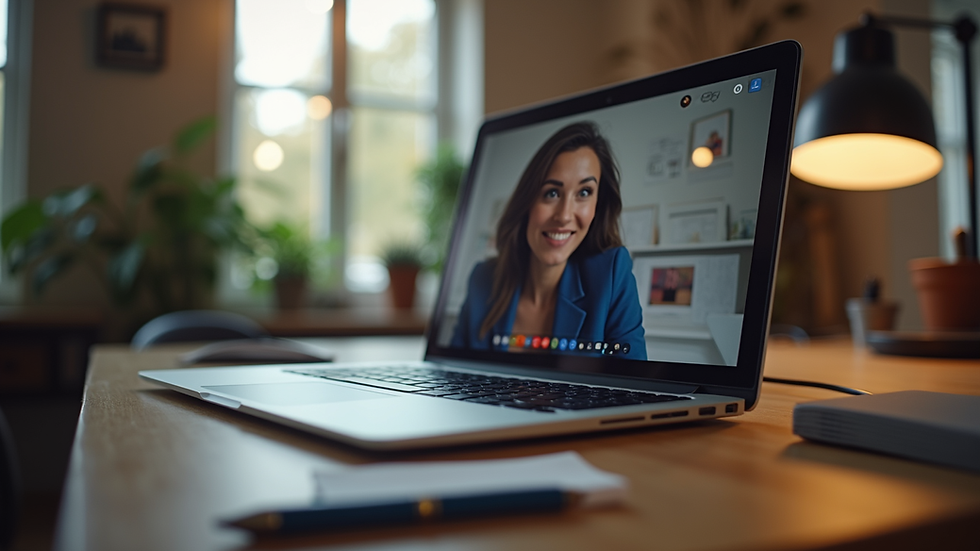
Remote life coaching session conducted via video call
The Process of Remote Life Coaching: Step-by-Step
Remote life coaching follows a structured yet flexible process designed to maximize client growth. Here’s a breakdown of the typical stages:
Initial Consultation
This introductory meeting helps both coach and client determine if they are a good fit. The coach explains their approach, and the client shares their goals and challenges.
Goal Setting
Together, they define clear, measurable objectives. For instance, a client might want to improve confidence in public speaking or develop healthier habits.
Action Planning
The coach helps the client create a step-by-step plan to reach their goals. This plan includes specific tasks, timelines, and milestones.
Regular Coaching Sessions
Scheduled sessions focus on progress review, overcoming obstacles, and refining strategies. The coach uses powerful questioning, active listening, and feedback to facilitate growth.
Accountability and Support
Between sessions, coaches often provide encouragement and reminders via email or messaging to keep clients motivated.
Evaluation and Adjustment
Periodically, the coach and client assess progress and adjust goals or methods as needed.
For example, a client working on career transition might start with identifying strengths and interests, then move on to networking strategies and interview preparation, all supported remotely.
What is the 70/30 Rule in Coaching?
The 70/30 rule is a fundamental guideline in coaching that emphasizes the balance of speaking time between coach and client. According to this rule, the client should do about 70% of the talking, while the coach speaks only 30% of the time.
This approach ensures that the client remains the focus of the session, encouraging self-discovery and empowerment. The coach’s role is to listen actively, ask insightful questions, and provide feedback without dominating the conversation.
In remote life coaching, adhering to the 70/30 rule is especially important because non-verbal cues can be harder to read through screens. Coaches must be skilled at creating a safe, engaging environment that encourages clients to open up and reflect deeply.
For example, a coach might ask open-ended questions like, “What do you feel is holding you back?” or “Can you describe a recent situation where you felt successful?” These prompts invite the client to explore their thoughts and feelings extensively.
Tools and Technology That Make Remote Life Coaching Effective
Technology is the backbone of remote life coaching. Choosing the right tools can enhance communication, organization, and overall experience. Here are some commonly used platforms and resources:
Video Conferencing Software: Zoom, Microsoft Teams, Google Meet, or Skype enable face-to-face interaction.
Scheduling Tools: Calendly or Acuity simplify booking and managing appointments.
Communication Apps: WhatsApp, Slack, or email provide quick check-ins and support.
Document Sharing: Google Drive or Dropbox allow sharing worksheets, goal trackers, and resources.
Note-Taking Apps: Evernote or OneNote help coaches and clients keep track of session notes and action items.
For example, a coach might send a personalized worksheet before a session via Google Drive, then review it together during a Zoom call. Afterward, they could follow up with motivational messages through WhatsApp to maintain momentum.

Scheduling remote life coaching sessions using a calendar app
Tips for Maximizing Your Remote Life Coaching Experience
To get the most out of remote life coaching, consider these practical recommendations:
Create a Dedicated Space: Choose a quiet, comfortable spot free from distractions for your sessions.
Test Your Technology: Ensure your internet connection, camera, and microphone work well before each session.
Be Open and Honest: Share your thoughts and feelings candidly to allow your coach to support you effectively.
Set Clear Goals: Define what you want to achieve and communicate this with your coach.
Commit to Action: Follow through on agreed tasks and be proactive in your growth journey.
Schedule Regular Sessions: Consistency helps build momentum and accountability.
Provide Feedback: Let your coach know what’s working or what could improve in your sessions.
For instance, if you find it hard to stay focused during video calls, try using headphones and turning off notifications on your devices. This small change can significantly improve your engagement.
Embracing Remote Life Coaching for Personal Growth
Remote life coaching offers a powerful way to unlock your potential, overcome challenges, and achieve meaningful goals. By leveraging technology and expert guidance, you can experience the benefits of coaching from anywhere in the world.
Whether you want to improve your career, relationships, health, or mindset, remote life coaching provides a flexible, personalized approach tailored to your unique needs. If you are ready to take the next step, consider exploring options for life coaching online and discover how this modern method can transform your life.
Start your journey today and embrace the possibilities that remote life coaching brings to your personal and professional development.


Comments